XGroovy Heart Font: Retro Soul Meets Urban Edge in Display Typography
When you are hunting for a typeface that captures the raw energy of street culture while echoing the nostalgia of past decades, few options deliver quite like the XGroovy Heart Font. This is not just another display font thrown into a crowded market. It is a deliberately crafted piece of visual storytelling—a bridge between vintage signage, graffiti-inspired lettering, and modern digital design. Whether you are building a brand from scratch, designing an album cover, or simply want your social media posts to stop blending into the background noise, understanding what this font offers can change how you approach your next project.
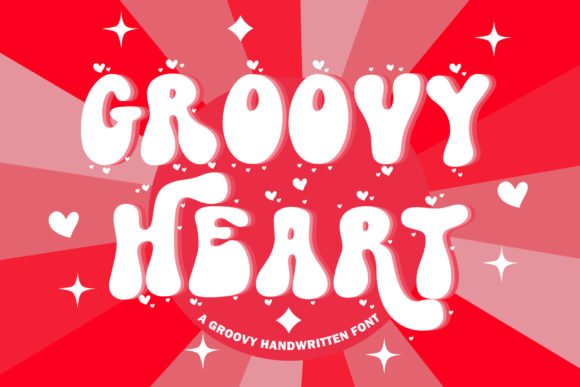
The first thing you notice about XGroovy Heart Font is its personality. It refuses to be invisible. Every letterform carries a certain swagger, a looseness that feels handmade yet intentional. This is not a font for body copy or lengthy paragraphs. It is a display font through and through, meant to be set large, bold, and proud. It thrives where other typefaces might feel too stiff or too polished. Think of it as the typographic equivalent of a custom-painted lowrider or a hand-lettered flyer from a 1990s block party—it brings heat without trying too hard.
But there is more beneath the surface than just good looks. The XGroovy Heart Font is also PUA encoded, which is a technical detail that matters far more than most people realize. PUA stands for Private Use Area, and what it means in plain language is simple: you get full, easy access to every alternate glyph, swash, and decorative character built into the font. Without PUA encoding, those extra characters can be locked away or require tedious workarounds. With it, you simply open your glyph palette, click, and apply. For designers who value speed and fluidity in their workflow, this is a quiet but massive advantage.
Where the Retro Revival Meets Urban Culture
The XGroovy Heart Font sits at a unique intersection. On one side, you have the retro revival movement—designers and brands digging into the visual language of the 1970s, 1980s, and 1990s to evoke familiarity and emotional warmth. On the other side, you have contemporary streetwear and urban aesthetics that demand boldness, authenticity, and a certain rawness. This font manages to serve both masters without feeling like a compromise.
Examine the letterforms closely. You will notice rounded edges that soften the overall impact, making the font approachable rather than aggressive. The curves have a rhythm to them, almost like handwriting that has been refined over countless iterations. Yet the proportions are wide and confident, giving each character a presence that commands attention. The result is a typeface that feels simultaneously nostalgic and fresh—a rare balance that many display fonts fail to strike.
What makes this particularly useful for modern workflows is its adaptability. You can use XGroovy Heart Font on a poster for a retro-themed event, and it will look perfectly at home. But you can also drop it onto a streetwear brand's lookbook, a skateboard deck design, or a music festival lineup, and it will feel just as natural. This is not a font that locks you into one specific era or subculture. It gives you the tools to evoke a mood while leaving room for your own creative direction.
Practical Benefits of PUA Encoding in a Display Font
Let us linger on the technical side for a moment because this is where many designers—especially those working under tight deadlines—find real value. When a font is PUA encoded, it means the designer has mapped all the alternate characters, ligatures, and swashes to private use codepoints that are recognized by major design software. In practice, this means you do not need to mess with character maps or third-party utilities. You open Adobe Illustrator, Photoshop, InDesign, Affinity Designer, or even Canva, and you can access every single glyph directly from the glyph panel.
For the XGroovy Heart Font, this is particularly important because it comes loaded with stylistic alternates and swashes that really make the typeface shine. The base alphabet is already strong, but the alternates allow you to customize the look for different contexts. Maybe you want a more exaggerated loop on the capital "R" for a logo. Or perhaps you need a smoother tail on the lowercase "y" to fit a specific layout. With PUA encoding, those choices are at your fingertips without any friction.
- No software conflicts – PUA glyphs appear consistently across applications, reducing compatibility headaches.
- Faster iteration – Switching between standard and alternate glyphs takes seconds, not minutes.
- Professional output – Clients rarely see the technical work behind a design, but they notice when everything feels cohesive and polished.
- Greater creative freedom – When you know all the tools are accessible, you are more likely to experiment and push the design further.
For freelancers and agency designers alike, these aren't just nice-to-have features. They directly affect how quickly you can move from concept to final deliverable. Every hour saved on technical hurdles is an hour you can invest in refining the actual creative work.
Ideal Use Cases and Project Scenarios
Where does XGroovy Heart Font perform best? Based on its characteristics, several use cases rise to the top. Knowing these can help you decide whether this font deserves a spot in your active toolkit.
Branding for Urban and Streetwear Labels
Streetwear is a visual-first industry. Your logo, tags, and packaging need to communicate authenticity instantly. The XGroovy Heart Font brings the handcrafted, gritty feel that many streetwear brands chase. It works well on hoodie tags, sticker packs, and even web headers. The urban inspiration is baked into the letterforms, so you don't have to force it with extra effects or distressed textures—though it handles those treatments well too.
Event Posters and Flyers
Concerts, art openings, pop-up markets, and community events all benefit from typography that grabs attention from across the room. The bold weight and confident strokes of XGroovy Heart Font make it an excellent choice for headlines and event titles. Pair it with a clean sans-serif for secondary information, and you have a poster that reads well from a distance while holding up to close inspection.
Album Art and Music Branding
Musicians—especially those in hip-hop, funk, indie rock, and electronic genres—often seek fonts that feel personal and expressive. A generic typeface does not tell a story. But a font like XGroovy Heart Font carries narrative weight. It suggests a certain era, a certain attitude. When listeners see album art built around this font, they start forming expectations about the sound before they even hit play. That is the power of intentional typography.
Social Media Content and Digital Graphics
Even in the digital space, this font holds its own. Instagram stories, YouTube thumbnails, banner ads, and quote graphics all benefit from a display font that stands out in a crowded feed. Because the font is PUA encoded, you can easily drop in swashes or alternates to keep each post feeling fresh rather than repetitive. Just be mindful of readability at smaller sizes—this is a font that wants to be seen, not squeezed into a corner.
What to Consider Before You Commit
No font is a universal solution, and XGroovy Heart Font is no exception. Before you download and deploy it, there are a few practical considerations worth thinking through.
Readability at small sizes is limited. This is a display font by design. If you try to use it for body text or lengthy paragraphs, you will sacrifice legibility. Reserve it for headlines, logos, short phrases, and accent text. Pair it with a more neutral font—like a clean sans-serif or a classic serif—for the heavy lifting of continuous reading.
Context matters. While the retro urban vibe is versatile, it may not suit every brand or project. A corporate law firm, a medical practice, or a fine dining restaurant would likely find this font misaligned with their visual identity. Always consider whether the energy of the font matches the message you want to communicate.
Use the swashes with restraint. Swashes and alternate glyphs are powerful tools, but overusing them can lead to visual clutter. A single well-placed swash on a capital letter can elevate a design. Applying swashes to every character, on the other hand, can make the text difficult to read and undermine the professionalism of the layout. Less is often more.
Check licensing for commercial projects. Most reputable font foundries offer clear licensing terms, but it is always your responsibility to verify that the license covers your specific use case—whether that is merchandise, digital products, broadcast, or web embedding. A few minutes reading the license agreement can save you headaches later.
How XGroovy Heart Font Fits Into a Modern Designer Workflow
Experienced designers know that efficiency is not just about speed—it is about having the right tools available when creative momentum strikes. The XGroovy Heart Font earns its place in a modern workflow precisely because it removes barriers between idea and execution.
Imagine you are working on a branding concept for a new streetwear line. You have sketched a rough direction, but the typography needs to carry weight. You open your font manager, activate XGroovy Heart Font, and start testing it in your mockup. Within minutes, you cycle through several alternates for the brand name, find a swash that complements the mark, and send a first draft to the client. Without PUA encoding, that process might involve digging through character maps, copy-pasting from a PDF guide, or even switching software just to access the alternates. With it, the flow stays smooth.
The same applies to digital content creators who work across multiple platforms. You can design a header in Photoshop, drop a swashed title into a Canva template, and still have consistent access to all glyphs. For anyone juggling multiple tools daily, that consistency is a genuine productivity boost.
Beyond practicality, there is also the intangible benefit of working with a font that feels inspiring. Designers talk about "fonts that spark ideas." The XGroovy Heart Font has that quality. Its curves, swashes, and retro attitude can push you toward creative decisions you might not have considered with a more neutral typeface. Sometimes, the right font is the nudge your brain needs to take a project in a more interesting direction.
Final Observations on a Typeface With Character
Typographic trends come and go, but fonts that connect with people on a stylistic and emotional level tend to have staying power. XGroovy Heart Font feels like one of those fonts. It is not trying to be everything to everyone. It knows exactly what it is: a bold, retro, urban-inspired display typeface with the technical backbone to support serious creative work.
Whether you are a seasoned designer building a brand identity from the ground up, a marketer trying to make social content stop the scroll, or a hobbyist exploring the world of typography for the first time, this font offers something real. It gives you access to a visual language that is hard to replicate with standard fonts. It saves you time with PUA-encoded glyphs. And it brings an undeniable energy to every project it touches.
Before you start your next design, ask yourself what mood you want to set. If the answer involves warmth, nostalgia, urban edge, or handcrafted authenticity, then XGroovy Heart Font deserves a serious look. It might just be the missing piece that turns a good design into something people remember.